
Table of Contents
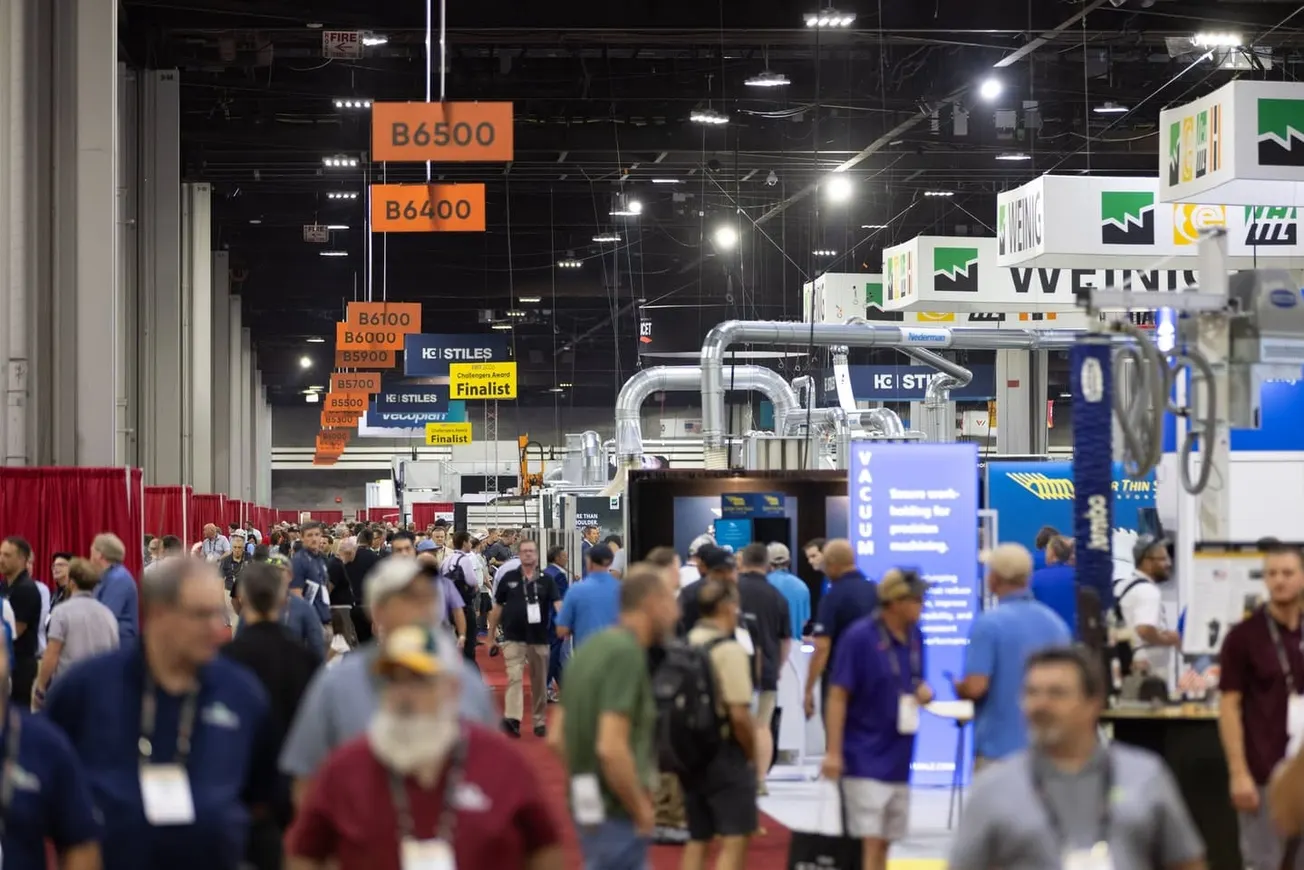
Four days, more than 900 exhibitors and seemingly endless aisles of machinery, materials and technology made one thing clear at IWF 2026: The woodworking industry continues to invest in doing more, doing it smarter and finding new ways to manufacture efficiently.
The International Woodworking Fair returned to the Georgia World Congress Center Aug. 25-28, bringing together manufacturers, suppliers, fabricators, designers and technology providers from across the woodworking and wood products industries. IWF describes the biennial event as North America's largest wood products technology and design trade show, with its 2026 exhibitor roster topping 900 companies. The show draws buyers from every U.S. state and approximately 90 countries.
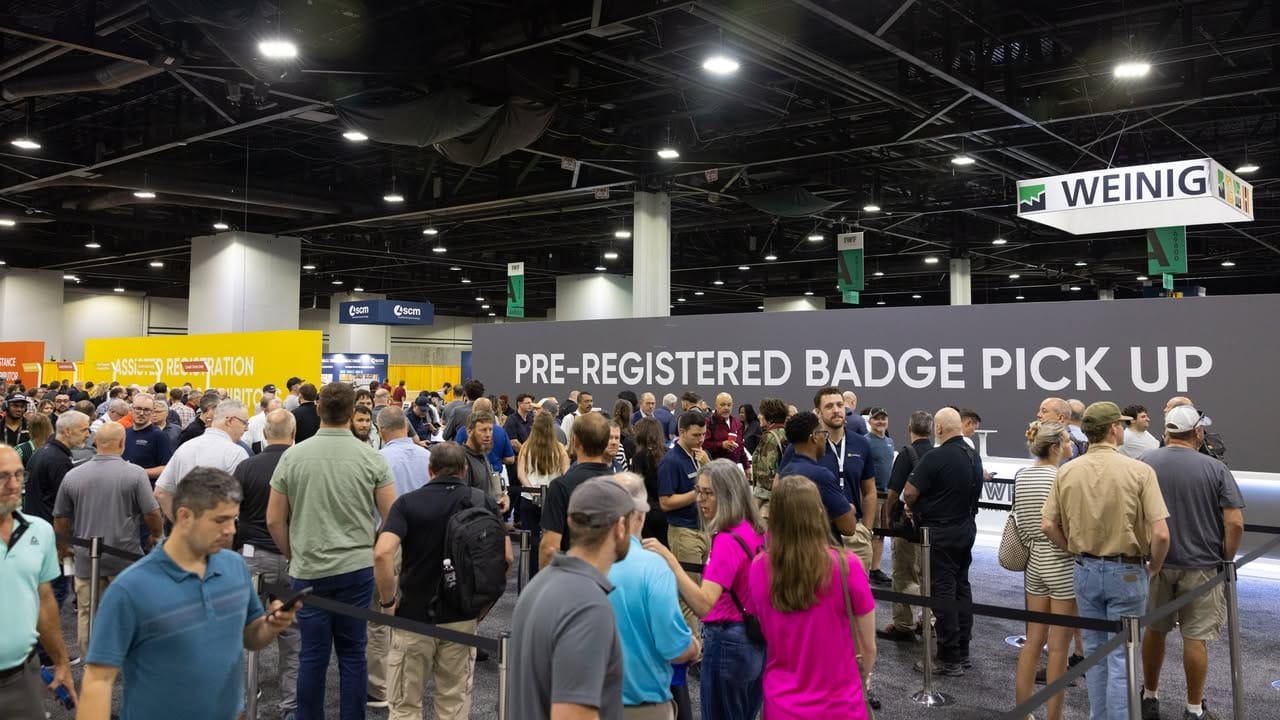
Final 2026 attendance figures had not yet been released by IWF as of Sept. 1, but officials tout that "tens of thousands" of attendees were at the show.
For the surface and panel industry, however, the significance of the show went well beyond its size. Across the exhibit halls, many of the technologies on display pointed toward an increasingly connected manufacturing environment, where automation, software, robotics and more flexible equipment are becoming integrated with the traditional processes of cutting, sanding, edgebanding, laminating, finishing and material handling.
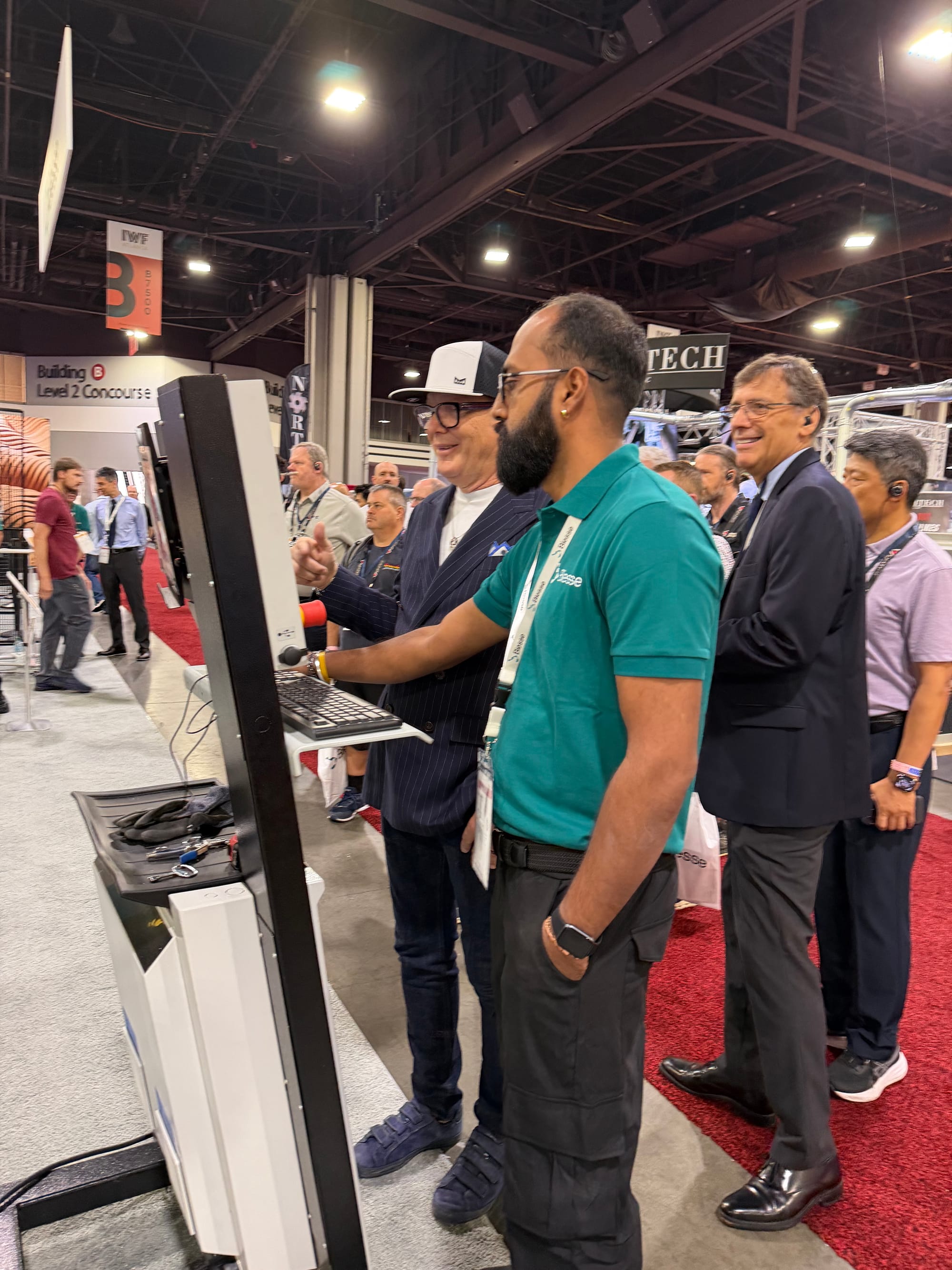
Automation Moves from Trend to Expectation
Automation was difficult to miss at IWF 2026.
Robotics and automated material handling shared the floor with increasingly sophisticated CNC equipment, panel processing systems and software designed to connect multiple stages of production. Rather than automation appearing solely as a solution for the industry's largest manufacturers, exhibitors demonstrated technologies aimed at helping operations of varying sizes reduce manual processes, increase consistency and make better use of available labor.
That evolution was also reflected in IWF's education program. An Industry 5.0 and Smart Factory tour, for example, highlighted human-AI collaboration, connected production, robotics, automated panel processing, scrap management and end-to-end software from companies including WEIMA America, Cyncly, 7robotics, IMA Schelling Group, Biesse and INNERGY.
For panel processors and fabricators dealing with persistent workforce challenges, the message was less about replacing workers than about using technology to make production more efficient and allowing employees to focus on higher-value tasks.
Innovation Wasn't Limited to the Biggest Machines
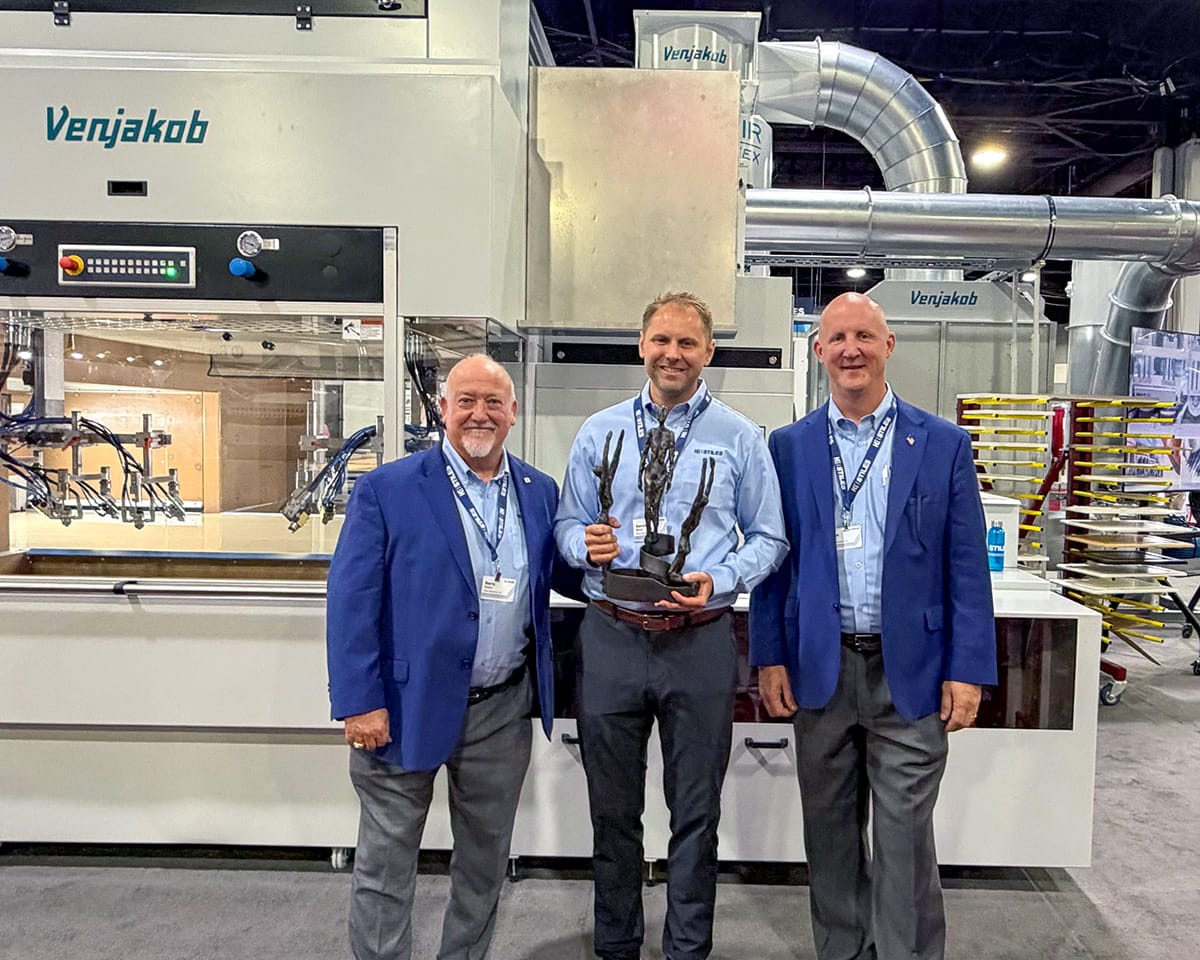
Some of the show's most notable technology was recognized through the 2026 IWF Challengers Distinguished Achievement Awards.
This year's competition attracted 84 entries from 65 exhibiting companies, with seven technologies ultimately receiving awards following live demonstrations before the judging panel.
The winners represented a broad cross-section of manufacturing challenges and solutions: Con-Vey's Edge Damming System for plywood repair lines; Felder Group's Creator 1250; Kouros Tools' Sand-R-Light PRO; Kundig's Regent planing and sanding system for glulam and timber elements; Northtech Machine's iGlueSRCD automatic glue applicator for stile-and-rail cabinet doors; SCM North America's ACCORD 500 EDGE machining center; and Stiles Machinery's Venjakob VEN AIR Vortex coating technology.
Taken together, the winning technologies reflected many of the same priorities visible throughout the show: greater automation, production flexibility, process control, material efficiency and solutions to specific manufacturing bottlenecks.
Panels, Surfaces and Finishing Remain at the Center
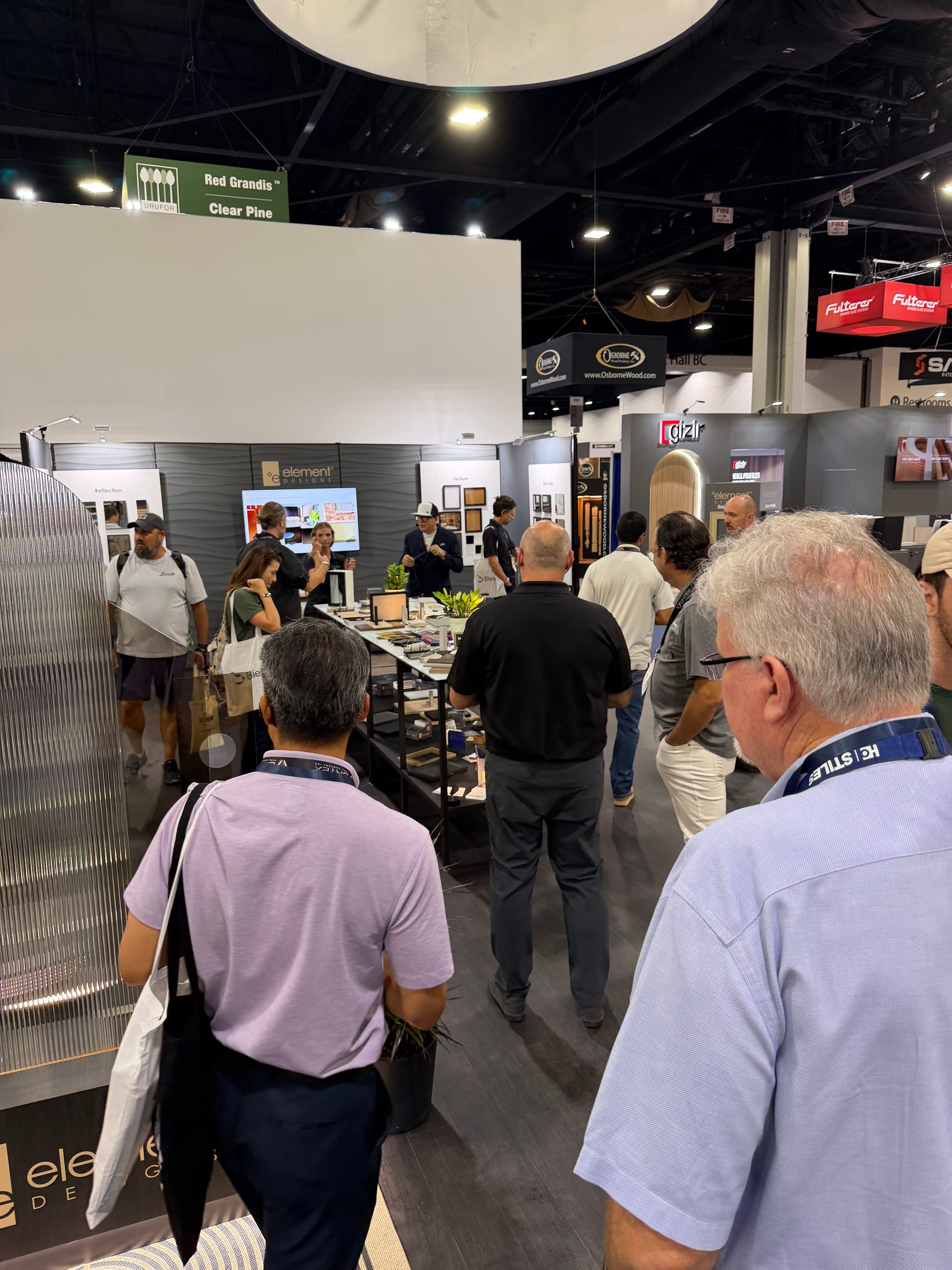
For S&P readers, IWF once again demonstrated just how interconnected the surface and panel supply chain has become.
Equipment for cutting and processing panels increasingly operates alongside automated material handling and software. Sanding and finishing systems are being developed around greater consistency and efficiency. Adhesives and application technologies are evolving alongside increasingly automated production lines. Decorative materials, components and hardware must work within manufacturing systems capable of producing greater customization without sacrificing throughput.
The show's exhibitor mix included suppliers across cabinetry, composites, countertops, coverings and panels, furniture, machinery and tooling, veneers and plywood, wood processing and related markets.
That breadth matters because the future of panel manufacturing is increasingly about the entire production system, rather than an individual machine or material.
Mass Timber Adds Another Dimension
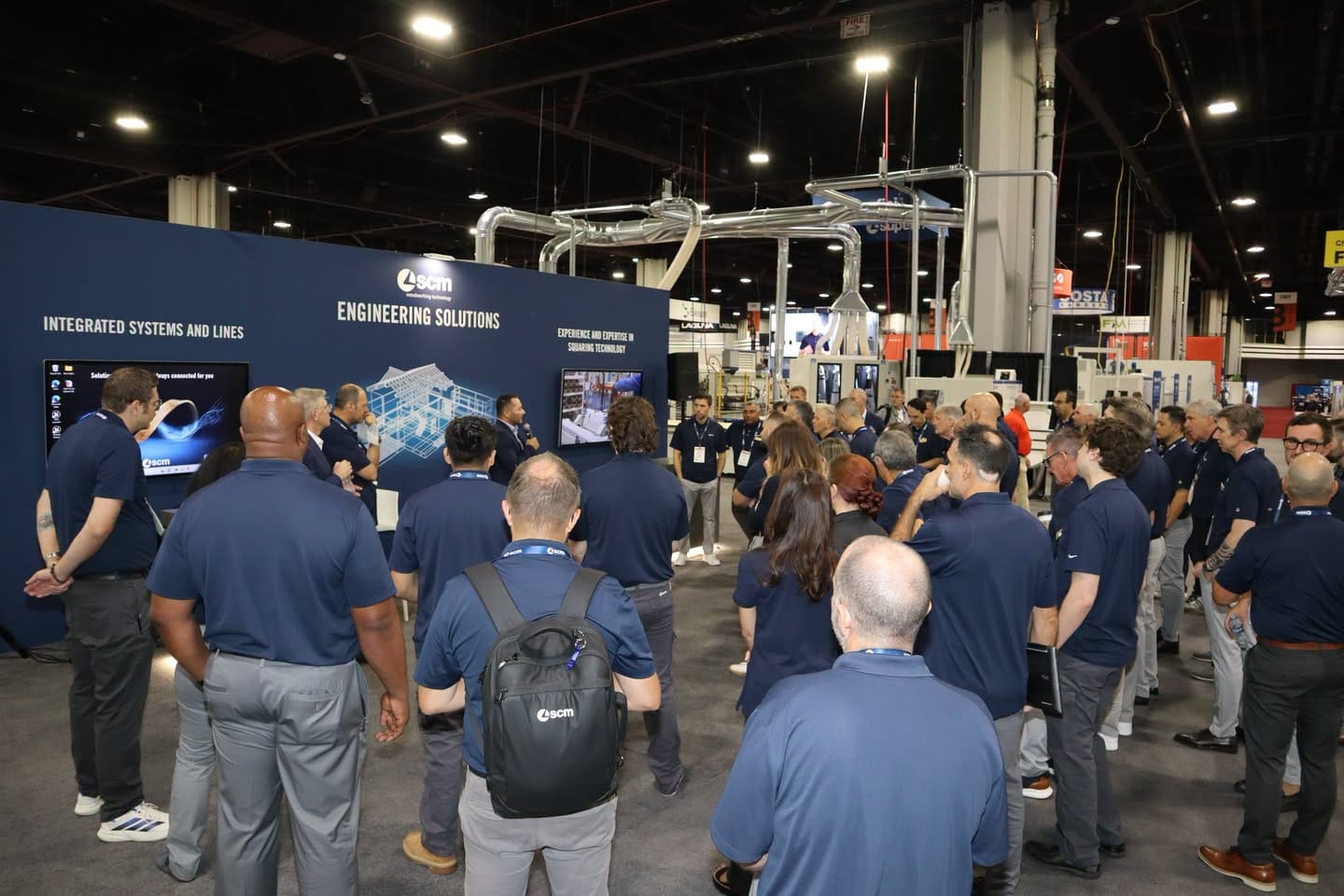
One notable addition for 2026 was IWF's new Mass Timber and Prefabricated Construction Products Showcase, bringing cross-laminated timber, glue-laminated timber and related manufacturing technologies into the show's product mix.
IWF positioned the showcase around the intersection of woodworking, manufacturing and the growing use of engineered timber in the built environment.
Its inclusion also points toward a broader opportunity for companies traditionally associated with woodworking and panel processing. As mass timber and prefabricated construction expand, expertise in CNC machining, sanding, adhesives, finishing, automation, material handling and engineered wood production increasingly crosses traditional market boundaries.
A Show Floor Focused on What's Next
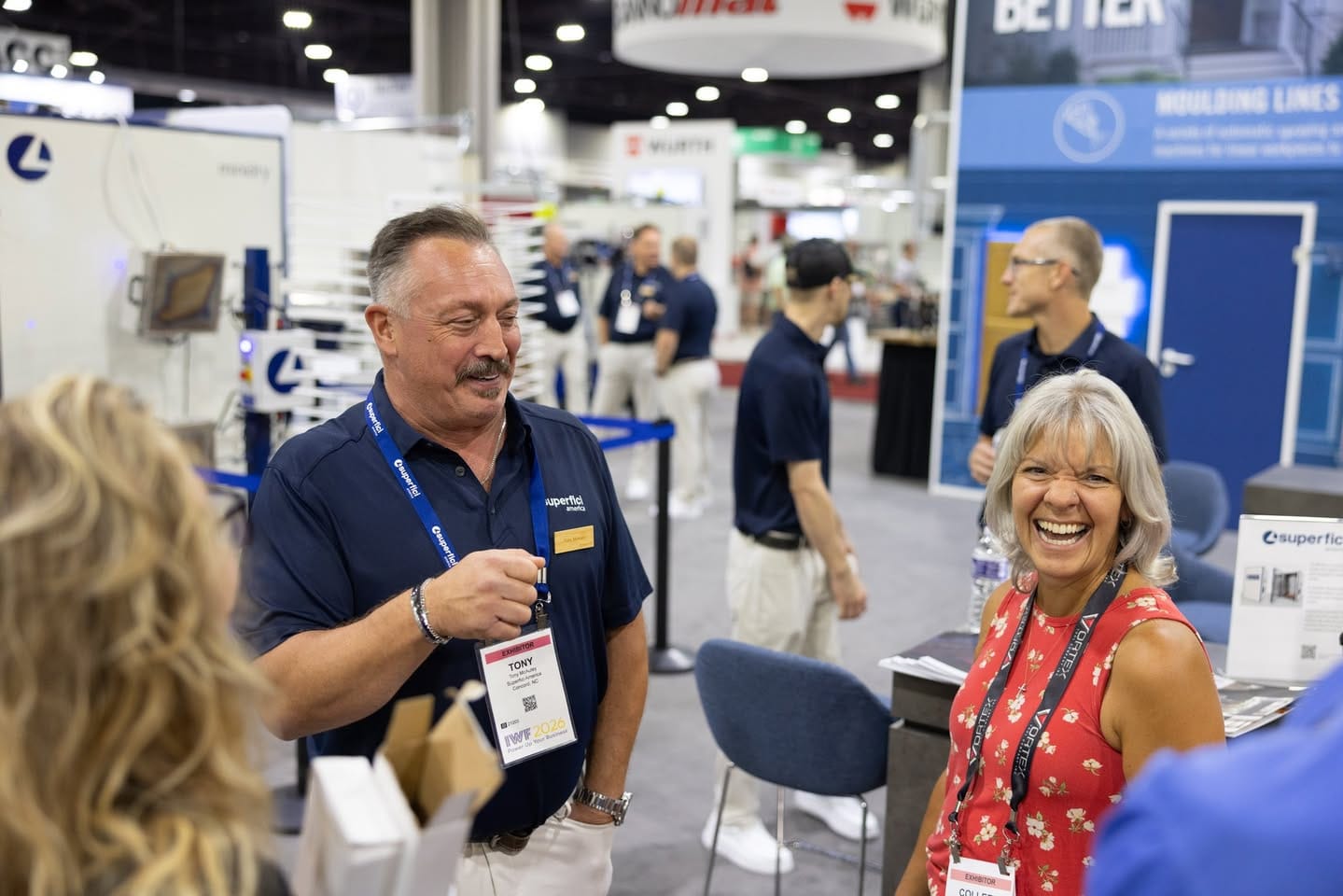
Perhaps the biggest takeaway from IWF 2026 wasn't one machine, product or technology.
It was the convergence of them.
Software is becoming more closely tied to machinery. Robotics are becoming part of material handling and production cells. Artificial intelligence is entering conversations about factory management and decision-making. Equipment manufacturers are addressing labor availability alongside productivity. Sustainability and material utilization are increasingly connected to manufacturing economics.
And through it all, manufacturers are still being asked to produce better products, with greater customization, shorter lead times and tighter margins.
IWF 2026 offered no single solution to those challenges. What it did offer was a massive working demonstration of how the industry is responding.
For surface and panel manufacturers, fabricators and suppliers, the direction coming out of Atlanta was clear: the next generation of woodworking manufacturing will be more automated, more connected and increasingly flexible — while still depending on the materials, machinery and manufacturing expertise that have always formed the industry's foundation.