
Table of Contents
The National Lumber and Building Material Dealers Association is calling on Congress and the Trump administration to address cost and supply concerns tied to newly implemented tariffs on Canadian building materials.
In a letter to congressional leaders, NLBMDA urged policymakers to consider targeted relief for building materials for which U.S. production may not be sufficient to meet domestic demand. The association also called for greater predictability in U.S.-Canada trade policy, citing the integrated nature of the North American building materials supply chain.
According to an NLBMDA member survey, 80 percent of respondents reported sourcing or product availability impacts associated with the tariffs, while nearly 87 percent reported higher supplier prices. Dealers also reported reduced shipments from Canadian suppliers, longer lead times and difficulty finding domestic alternatives capable of meeting demand.
“LBM dealers often rely on long-standing supplier relationships shaped by geography, product specifications, distribution networks and available capacity, while U.S. producers may not have sufficient capacity to absorb additional demand without delays or other disruptions,” NLBMDA stated in its letter.
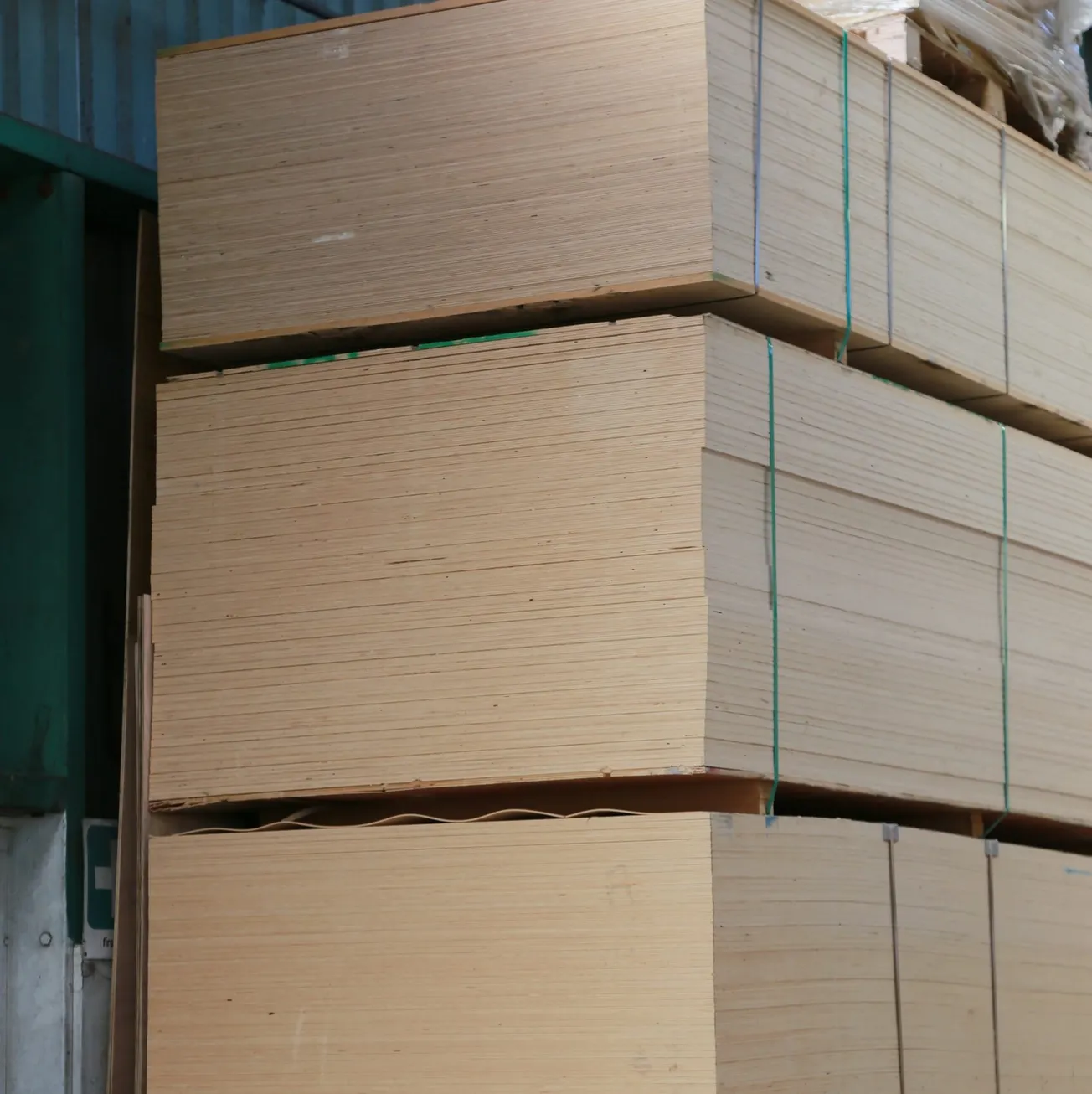
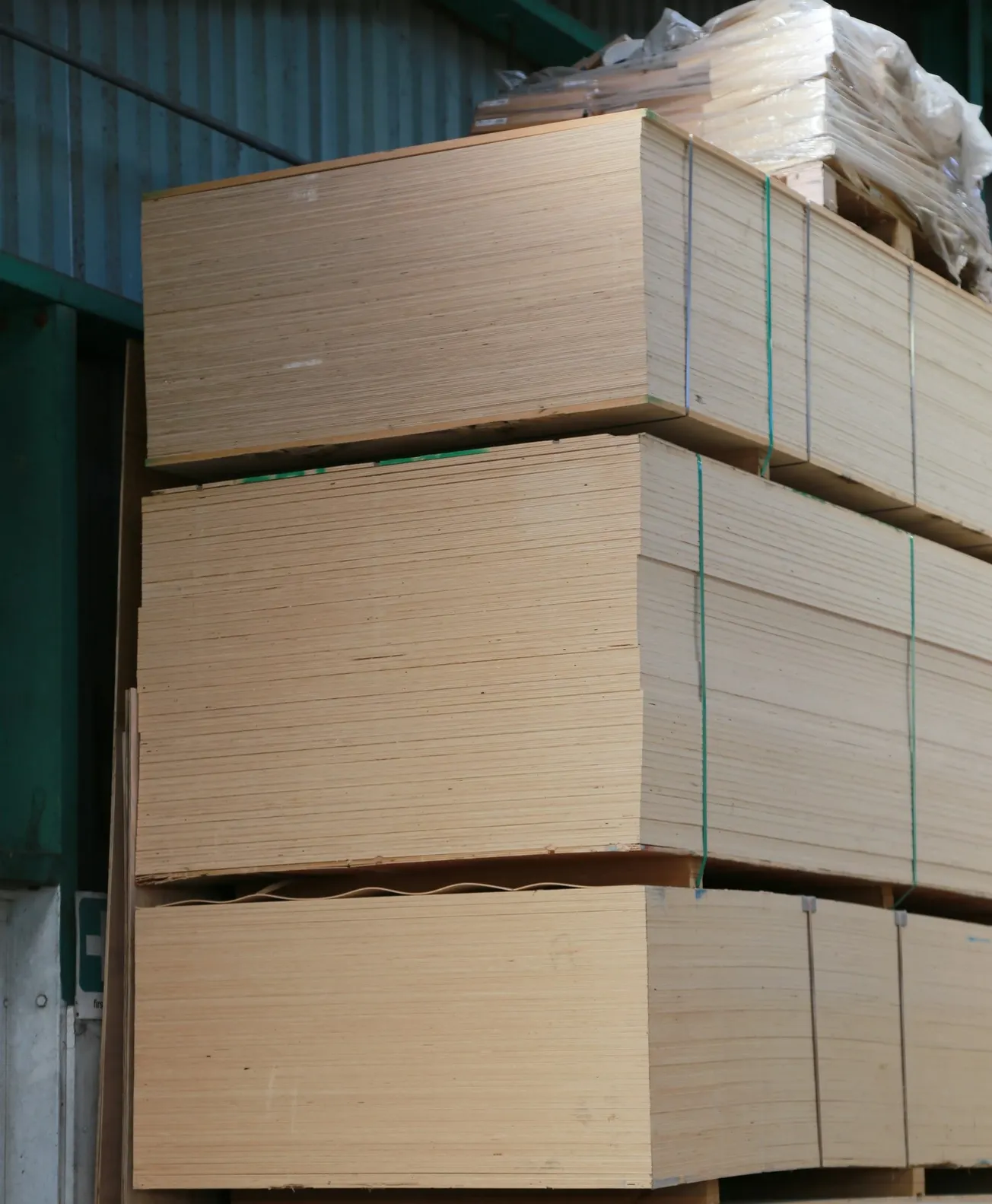
The association said the tariffs affect a range of Canadian building products, including certain plywood and laminated wood products, medium-density fiberboard, particleboard and wood doors.
NLBMDA also raised concerns about the effect of sudden tariff changes on purchasing and inventory planning. Dealers, manufacturers and builders often make pricing and sourcing decisions months in advance, the association noted, making changes in tariff treatment potentially disruptive to supplier relationships and project estimates.
“As policymakers continue working to address housing affordability and expand housing supply, the cost and availability of the materials needed to build and renovate homes must be part of the conversation,” NLBMDA said.
The association said it will continue advocating for relief on affected building materials and for a longer-term U.S.-Canada trade framework that provides greater certainty for companies sourcing construction products.