
Table of Contents
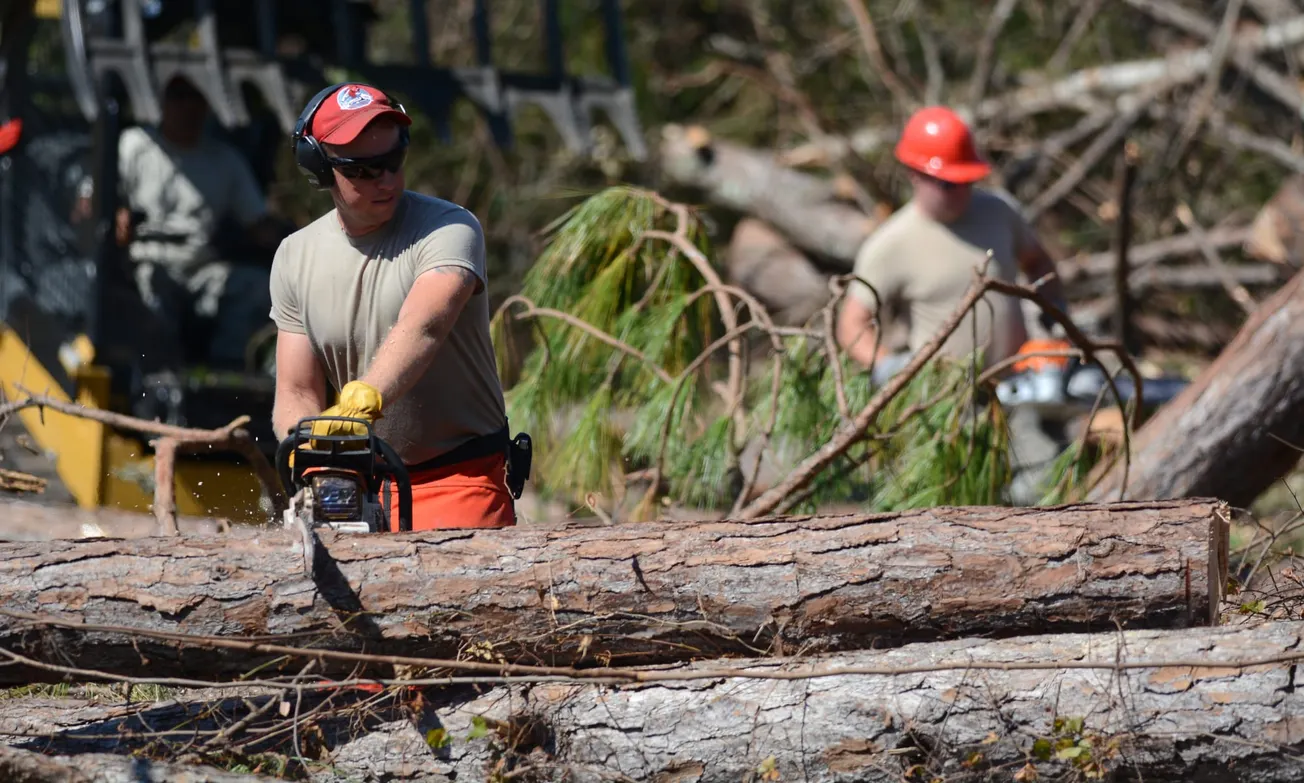
As hurricanes and severe storms continue to disrupt timber supplies across the Southeast, research from the U.S. Forest Service suggests storm-damaged trees may represent an underutilized resource for manufacturers of engineered wood products.
Researchers found that southern pine trees left on the forest floor for as long as one year after storm damage remained suitable for structural lumber production and showed strong potential for use in cross-laminated timber (CLT) manufacturing. The findings could expand opportunities to recover high-value fiber that has traditionally been considered lost following major storm events.
For manufacturers across the surface and panel industry, the research could have implications well beyond forestry. Salvaging storm-damaged timber could provide an additional raw material source for engineered wood products, helping stabilize fiber supplies while reducing waste and improving resource utilization during periods of market volatility.
The study evaluated Alabama-grown southern pine trees that had remained downed for periods ranging from several days to one year. Using nondestructive testing, researchers assessed both lumber and CLT panels produced from the salvaged trees and found little degradation in structural performance over the evaluation period. CLT panels consistently demonstrated high engineering performance, indicating that storm-damaged timber may remain suitable for value-added structural applications long after a storm has passed.
The findings arrive as extreme weather events continue to challenge the forest products sector. The U.S. Forest Service estimates that October 2020 hurricanes alone caused approximately $4.4 billion in lost timber productivity across the South, highlighting the economic impact of storm-related timber losses and the importance of developing more effective recovery strategies.
For manufacturers producing CLT, mass timber, structural panels and other engineered wood products, the research suggests salvage operations could become an increasingly important part of the fiber supply chain. Recovering usable timber after storms could help offset raw material shortages, reduce pressure on standing timber inventories and improve overall forest resource efficiency.
Beyond its manufacturing potential, the researchers note that salvaging storm-damaged trees may also reduce wildfire fuel loads while capturing economic value from timber that might otherwise be left to deteriorate on the forest floor. They recommend additional research into the long-term performance and durability of engineered wood products manufactured from salvaged timber.
The study, "Nondestructive Evaluation of Lumber and Cross-Laminated Timber from Pine Trees Felled for up to One Year," was published in the Forest Products Journal by researchers from the U.S. Forest Service Forest Products Laboratory and collaborating institutions.