
Table of Contents
For decades, one of the panel industry’s most stubborn circularity challenges has been what happens to MDF and HDF at the end of their useful lives.
Unlike particleboard, the fibers in medium- and high-density fiberboard have historically been difficult to recover at a quality suitable for reuse. That has meant discarded panels often ended up in landfills or were incinerated, cutting short the useful life of the wood fiber — and the carbon stored within it.
Unilin says that equation is beginning to change.
The international interior and construction products manufacturer, part of Mohawk Group, has commercially launched MDF panels containing up to 25% recycled wood fibers following years of development of its patented Osiris recycling technology.
The launch moves a technology first unveiled in 2021 from pilot-scale innovation into commercial panel production — and potentially opens a new pathway toward a more circular wood-products economy.
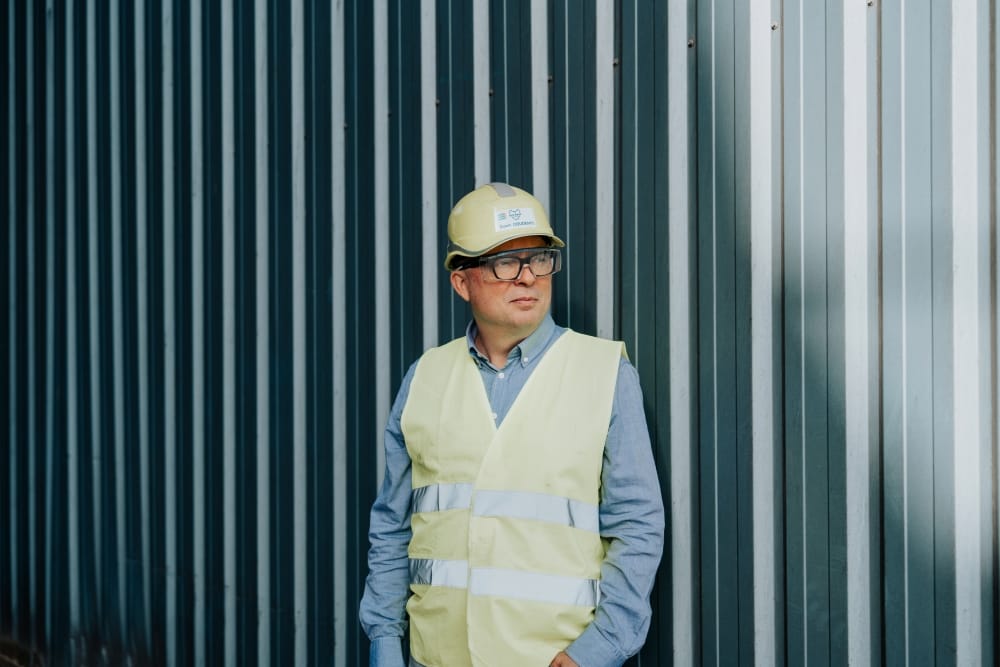
Keeping wood fiber — and carbon — in use longer
At the center of Unilin’s approach is a relatively simple sustainability principle: use the wood fiber again rather than dispose of it.
Osiris is designed to recover fibers from used MDF and HDF without destroying them. Waste panels are defibrated using steam and then purified to remove contaminants, allowing recovered fibers to be fed back into existing MDF and HDF manufacturing processes.
According to Unilin, extensive testing has shown that the recycled fibers can achieve the same performance standards as virgin fibers without compromising mechanical strength.
“What seemed impossible for years is now a reality,” said Geert Coudenys, R&D director at Unilin Panels. “By processing used MDF and HDF again, we significantly extend the life cycle of wood fibers. This gives new trees the opportunity to grow and store CO₂, while reducing our dependence on virgin raw materials.”
That extension of the fiber lifecycle is particularly significant as the building, interiors and furnishings sectors increasingly look beyond conventional definitions of sustainability toward carbon storage, material efficiency and circular manufacturing.
Wood-based panels already capitalize on a renewable raw material capable of storing biogenic carbon. Keeping those fibers in products through additional life cycles can extend that storage period while reducing demand for new fiber.
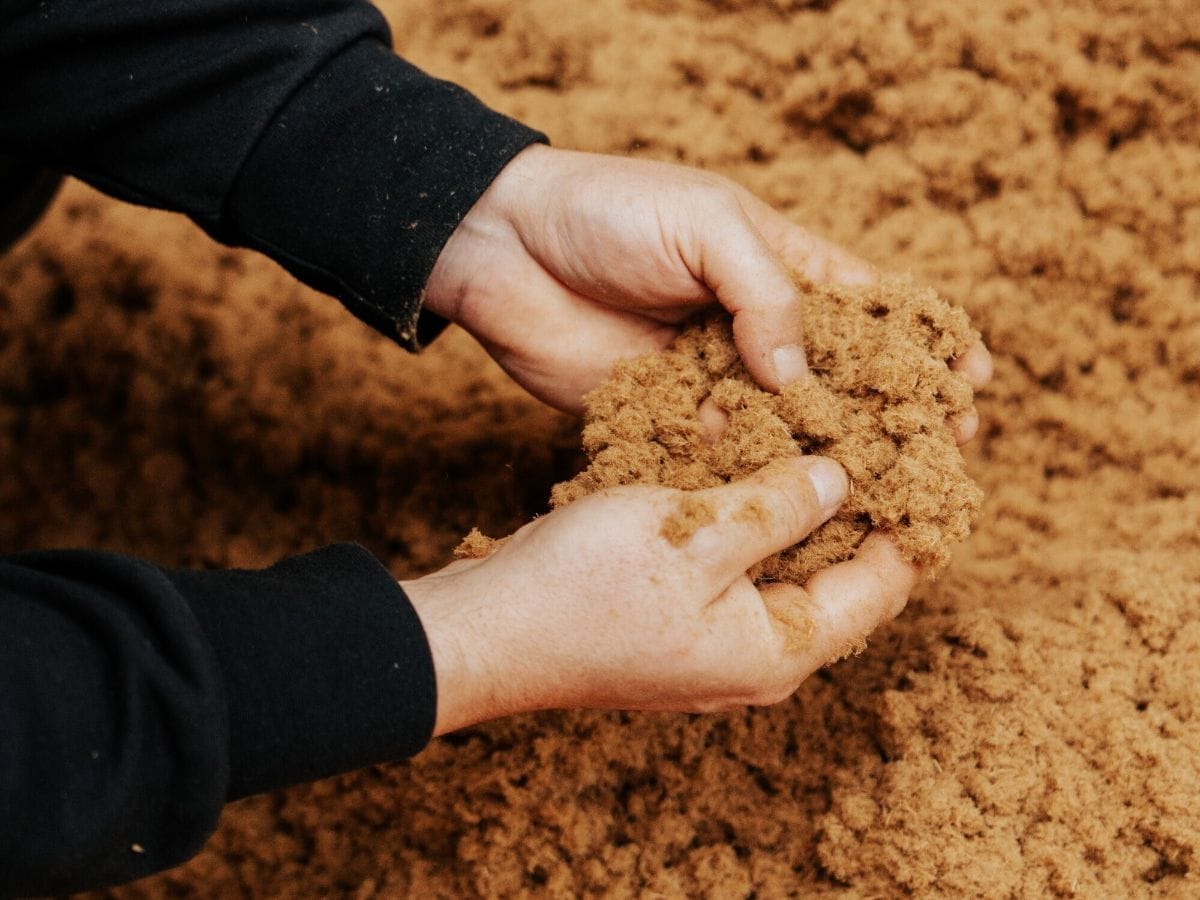
From pilot project to industrial-scale recycling
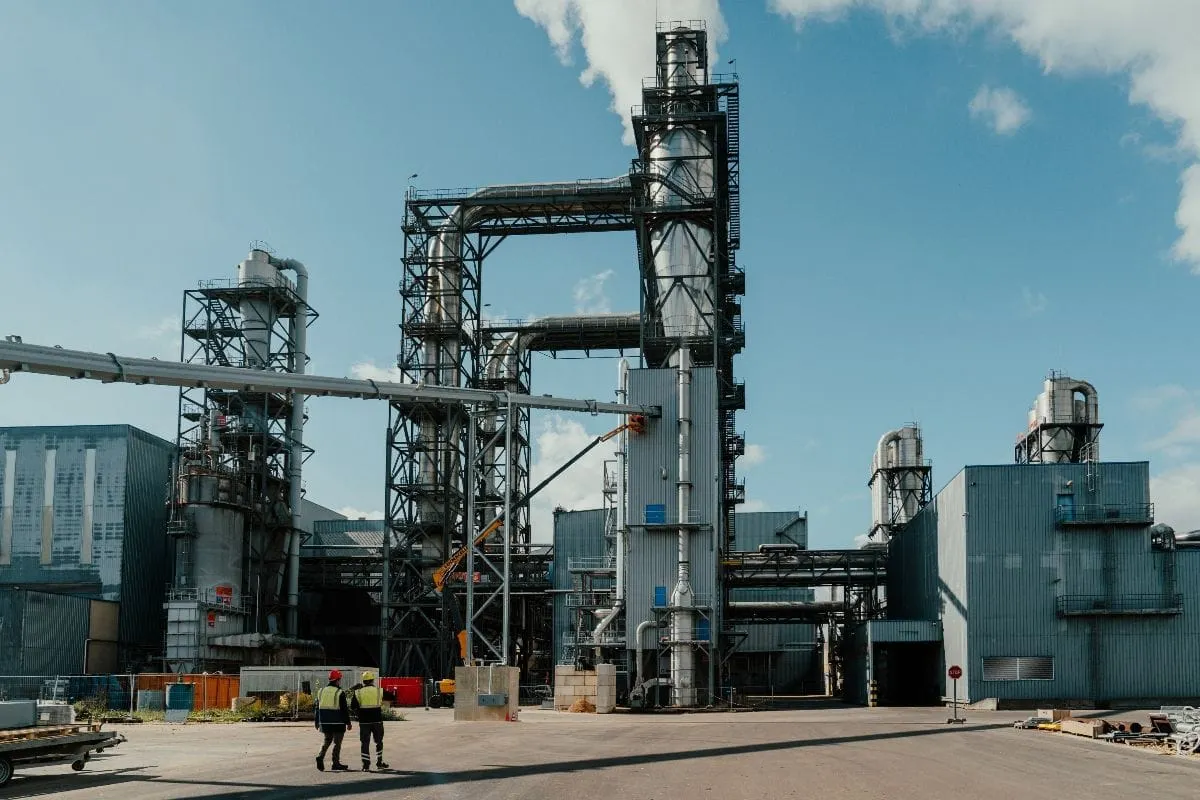
Unilin first announced its MDF and HDF recycling breakthrough in 2021 before developing an industrial pilot line at its Bazeilles, France, production site.
The company subsequently invested €20 million to scale the system into a full industrial recycling installation.
The Bazeilles facility can now process up to 70,000 metric tonnes of recycled wood fibers annually. Unilin estimates that extending the useful life of those fibers postpones approximately 130,000 metric tonnes of CO₂ emissions each year.
“The world’s first full-scale MDF and HDF recycling plant has now been operational for a year,” said Julien Boucher, plant manager in Bazeilles. “It is a turning point for our site and for the industry as a whole.”
The implications extend beyond MDF panels. The technology can also recover fibers from HDF products, including the cores used in laminate flooring such as Quick-Step products.
Toward a more circular panel industry
The first commercial MDF panels incorporating recycled material are now available, with Unilin offering products containing up to 25% recycled fibers through an ISCC PLUS-certified mass-balance system.
The company’s longer-term ambition is for recycled fibers to account for one-quarter of the MDF wood-fiber mix across all of its manufacturing sites.
But Unilin is not keeping the recycling technology to itself.
The company plans to license Osiris to other manufacturers — an approach it compares with the licensing model used for its laminate flooring click-system technology beginning in the 1990s.
If broadly adopted, the technology could help create a larger market for post-use MDF and HDF while encouraging the development of collection and sorting infrastructure needed to keep those materials out of waste streams.
That infrastructure may now be the next hurdle.
“The major challenge now is to establish separate wood waste streams,” said Bert Vandenkendelaere, president of Unilin Panels. “That requires collaboration across the entire value chain, from collectors to processors and manufacturers. Only by working together can we accelerate the transition to a circular industry.”
For the surface and panel sector, that collaboration could prove just as consequential as the recycling technology itself. Transforming used MDF from a disposal problem into a manufacturing feedstock would not simply change how panels are made — it could fundamentally change how the industry values wood fiber throughout its entire lifecycle.
The Bazeilles project was co-funded by the French government through France 2030, managed by ADEME, with financial support from La Région Grand Est.