
Table of Contents
U.S. manufacturers are continuing to invest in production capacity even as hiring remains measured, reflecting an industry balancing strong long-term demand with ongoing uncertainty surrounding trade policy, financing costs and workforce availability.
According to the Association for Manufacturing Technology (AMT), manufacturers ordered $583.4 million in new manufacturing technology equipment in May, bringing total orders for the first five months of 2026 to $2.77 billion—a 31.9 percent increase over the same period last year.
Although May orders slipped 1.8 percent from April, they were nearly 48 percent higher than May 2025, continuing a trend of robust capital investment across U.S. manufacturing.
AMT said the increase reflects manufacturers' expectations for future production growth, with many companies investing in automation and advanced manufacturing technologies to expand capacity and address persistent labor shortages. The association noted that nearly half a million manufacturing jobs remain unfilled nationwide, driving demand for more productive equipment and automated production systems.
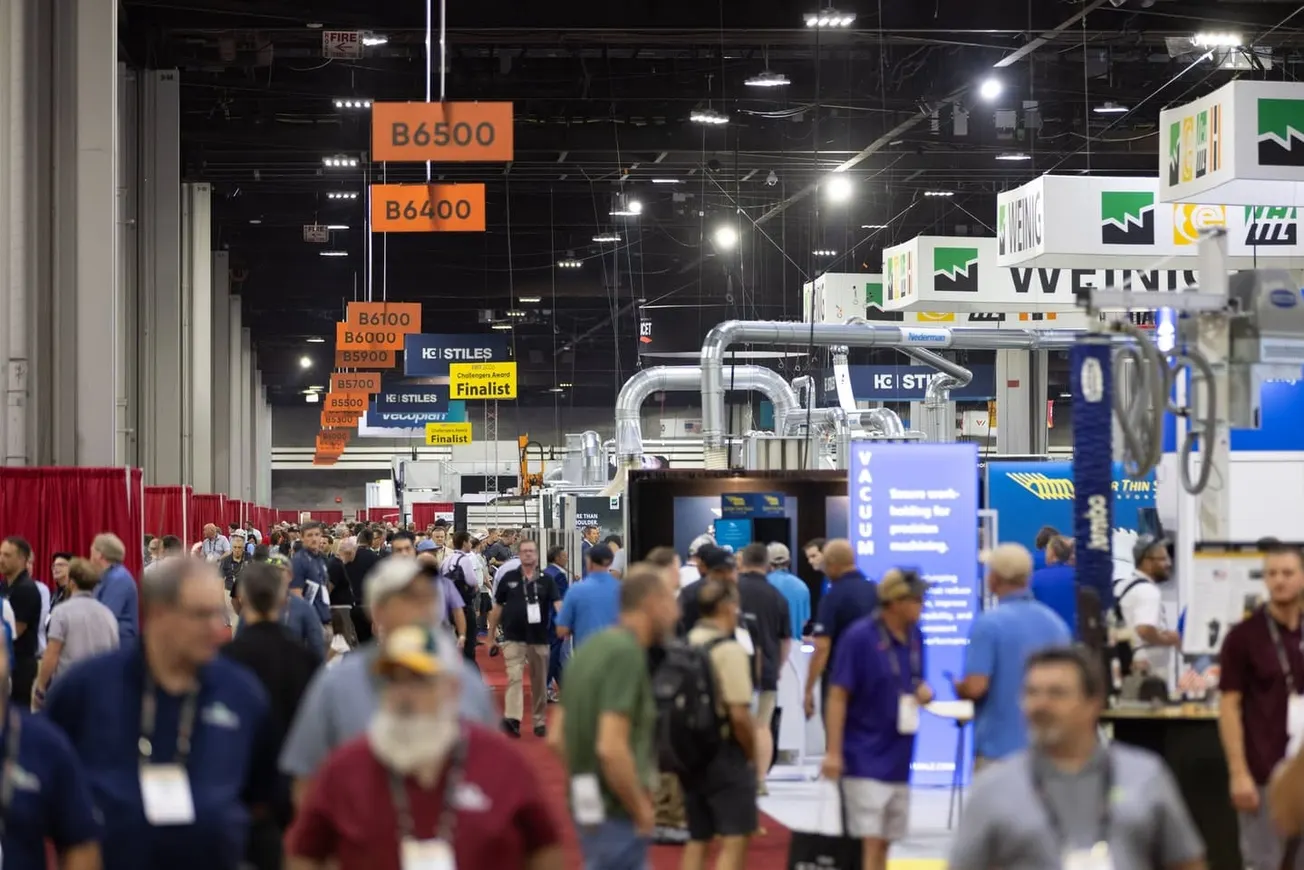
The strongest machinery demand came from aerospace manufacturers and industrial machinery producers, while investments tied to data center construction also helped boost equipment orders during the first half of the year. AMT said orders are running well ahead of a typical pre-IMTS cycle, suggesting additional momentum could develop later in 2026.
While manufacturers continue investing in equipment, employment growth has been far more restrained.
The latest U.S. Bureau of Labor Statistics employment data shows manufacturing added 3,000 jobs in June, following revised figures indicating the industry lost 2,000 jobs in May. Overall U.S. employment increased by 57,000 jobs during the month, with manufacturing accounting for only a small share of those gains.
Industry organizations say the modest hiring reflects continued uncertainty surrounding tariffs, interest rates and broader economic conditions.
The Alliance for American Manufacturing described the sector as "treading water amid waves of uncertainty," noting that manufacturers continue weighing questions about trade policy, financing costs and global geopolitical risks before making significant workforce investments.
Despite cautious hiring, demand for skilled workers remains strong. The Bureau of Labor Statistics' Job Openings and Labor Turnover Survey (JOLTS) reported approximately 529,000 manufacturing job openings in May, indicating that many manufacturers continue searching for qualified employees even as they slow hiring.
For manufacturers in the surface and panel industry, the combination of rising machinery investment and cautious employment underscores a broader trend across the sector. Companies continue modernizing facilities through automation, digital manufacturing technologies and advanced production equipment while taking a measured approach to expanding their workforce until economic conditions become more predictable.
Together, the reports suggest manufacturers remain confident in long-term demand and productivity investments, even as short-term uncertainty continues to influence hiring decisions.