
Table of Contents
The Trump administration has expanded its trade action against Canada with a new round of tariffs that reaches directly into the surface and panel industry, adding numerous engineered wood products and panel materials to the list of affected imports.
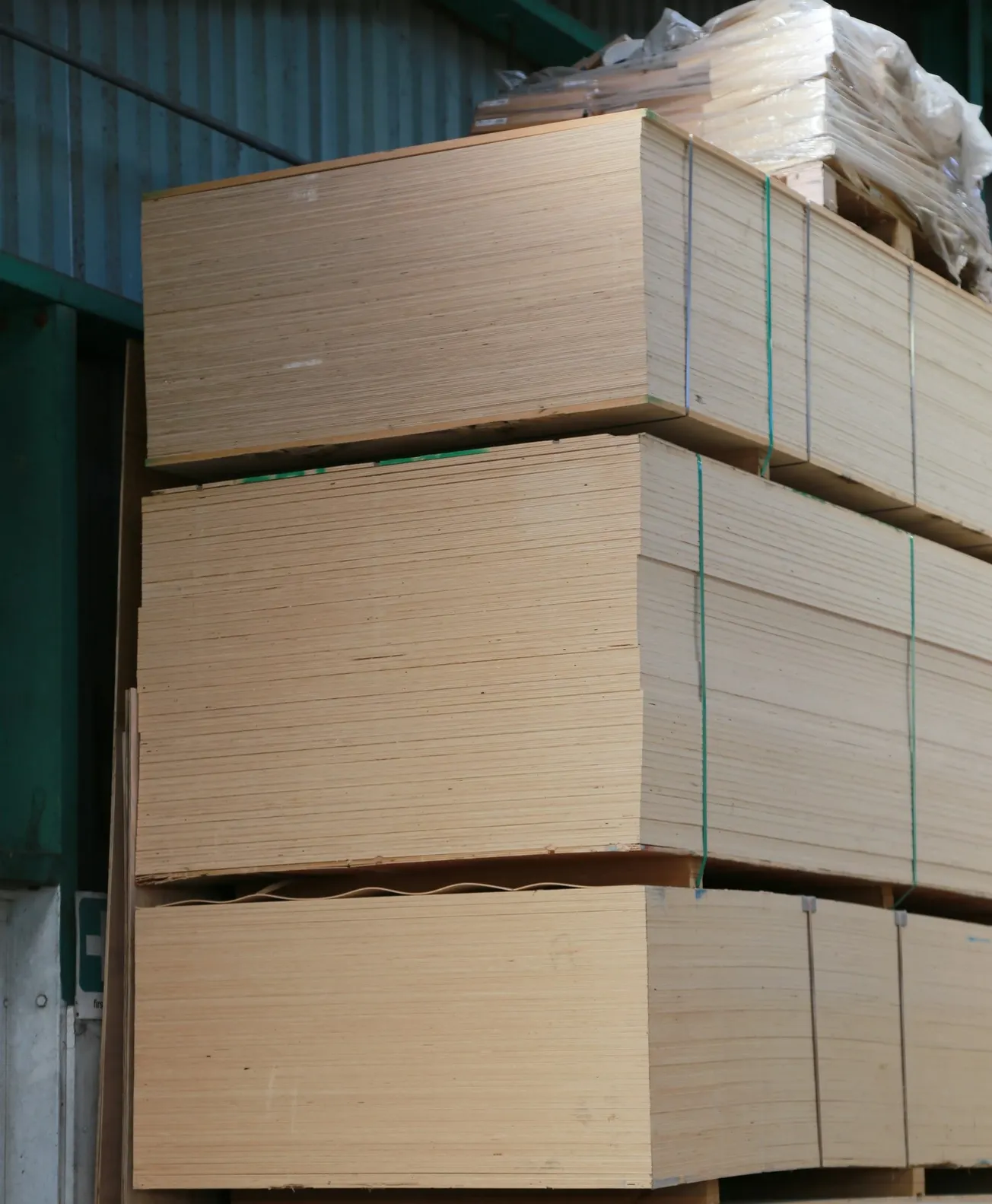
While much of the recent discussion has centered on Canadian softwood lumber, the latest White House proclamation includes a broad range of products commonly used throughout the cabinetry, furniture, architectural millwork, closet, fixture and interior construction industries. Among the tariff classifications listed are particleboard, medium-density fiberboard (MDF), fiberboard, plywood, veneered panels, laminated veneer lumber, blockboard, laminboard, battenboard and certain moldings and continuously shaped wood products.
The expanded list broadens the potential impact beyond lumber producers to manufacturers, fabricators, distributors and suppliers throughout the surface and panel supply chain, many of whom rely on cross-border sourcing for raw materials and finished products.
President Donald Trump signed three proclamations under Section 338 of the Tariff Act of 1930 imposing an additional 50 percent tariff on a wide range of Canadian imports. According to the White House, the action is intended to address what it describes as Canada's discriminatory treatment of U.S. commerce and restore reciprocal trade between the two countries.
Wood products now included
The White House annex identifies dozens of wood-product classifications that fall under the expanded tariffs, including:
- Particleboard and similar wood-based panels
- Medium-density fiberboard (MDF)
- Fiberboard
- Numerous plywood classifications
- Veneered panels
- Laminated veneer lumber (LVL)
- Blockboard, laminboard and battenboard
- Certain wood moldings and continuously shaped wood products
Many of these products are integral components in residential and commercial cabinetry, furniture manufacturing, architectural millwork, closets, retail fixtures and interior finish applications.
The White House said the action is designed to strengthen domestic manufacturing while encouraging more balanced trade between the United States and Canada.
Canada says tariffs violate trade agreement
Canadian Prime Minister Mark Carney criticized the new measures, describing them as "the latest in a series of unilateral U.S. trade actions" that Canada believes violate the Canada-United States-Mexico Agreement (CUSMA), Canada's name for the USMCA.
"Canada believes in the benefits of free and fair trade," Carney said. "Canada stands ready to engage intensively to address outstanding issues with the U.S. to the mutual benefit of our citizens."
Carney said Canada will continue supporting Canadian workers and manufacturers while pursuing additional negotiations with the United States.
Ford urges U.S. to reopen lumber trade
Ontario Premier Doug Ford has also called on the United States to ease restrictions on Canadian lumber shipments.
During a July 20 interview on NBC News' Meet the Press, Ford argued that the two countries' manufacturing sectors remain highly dependent on one another.
"America needs Canada," Ford said. "Our supply chains are so deeply integrated."
Discussing softwood lumber specifically, Ford urged the United States to eliminate existing trade barriers.
"Open up the gates. Let's start shipping softwood lumber down there," Ford said, arguing that additional Canadian lumber could help address housing supply challenges while improving forest management in Canada.
U.S. Lumber Coalition defends existing trade enforcement
The U.S. Lumber Coalition responded directly to Ford's comments, arguing that opening the U.S. market would reverse years of progress made through trade enforcement.
"Through strong trade law enforcement and Section 232 tariffs, President Trump has achieved historically low market shares for unfairly traded Canadian lumber in the U.S. market—down from 35% to an average of 19%," said Zoltan van Heyningen, executive director of the U.S. Lumber Coalition.
The Coalition contends Canadian producers continue to benefit from government subsidies and excess manufacturing capacity that distort competition.
"The United States cannot afford to be the dumping ground for Canada's unfairly traded lumber," van Heyningen said.
The organization urged the administration to maintain tariffs and duties that it says are necessary to support continued investment in U.S. lumber manufacturing and domestic housing production.
Home builders warn of rising costs
Not all industry organizations support expanding tariffs.
The National Association of Home Builders continues to advocate for exempting building materials from tariffs, warning that uncertainty surrounding trade policy contributes to higher construction costs.
"The price volatility of these imported materials and equipment, driven by policy uncertainty, needlessly drives up housing costs and exacerbates the nation's housing affordability crisis," the association said in its official policy statement on building materials and trade.
NAHB has argued that stable access to construction materials is essential to improving housing affordability and maintaining a reliable supply chain.
What it means for the surface and panel industry
For manufacturers across the surface and panel industry, the latest tariffs extend beyond the long-running softwood lumber dispute into products used every day in manufacturing operations.
Companies that manufacture cabinets, furniture, architectural millwork, closets, store fixtures and other value-added wood products will now be evaluating how the expanded tariffs could affect material sourcing, supplier relationships, inventory planning and production costs.
Whether the measures ultimately result in increased domestic production, higher material costs or shifts in North American supply chains remains to be seen. What is clear is that the latest trade action broadens the conversation beyond lumber, placing many of the engineered wood products that define today's surface and panel industry squarely within the ongoing U.S.-Canada trade debate.