

Table of Contents
Limited housing inventory, higher mortgage rates and changing lifestyle needs are continuing to drive Americas toward remodeling rather than relocating, according to new research from Houzz and Redfin.
The latest 2026 U.S. Houzz & Home Study found that renovation activity remained stable in 2025, with 54 percent of homeowners completing renovation projects and median renovation spending holding at $20,000. At the same time, Redfin reported that roughly 65 percent of homeowners who renovated in the past year chose to improve their current home instead of moving, with that number rising to 71 percent among homeowners planning renovations in the coming year.
Together, the studies point to a residential market increasingly centered on long-term livability, functional upgrades and personalized interiors — trends continuing to fuel demand across the cabinetry, decorative surfaces, hardware and architectural products industries.
Kitchens, Closets and Utility Spaces Continue to Drive Projects
Kitchen remodeling remains one of the strongest renovation categories, particularly among older homeowners making long-term investments in their homes. According to Houzz, Seniors reported median kitchen renovation spending of $27,500 in 2025, representing one of the largest year-over-year increases across any project type.
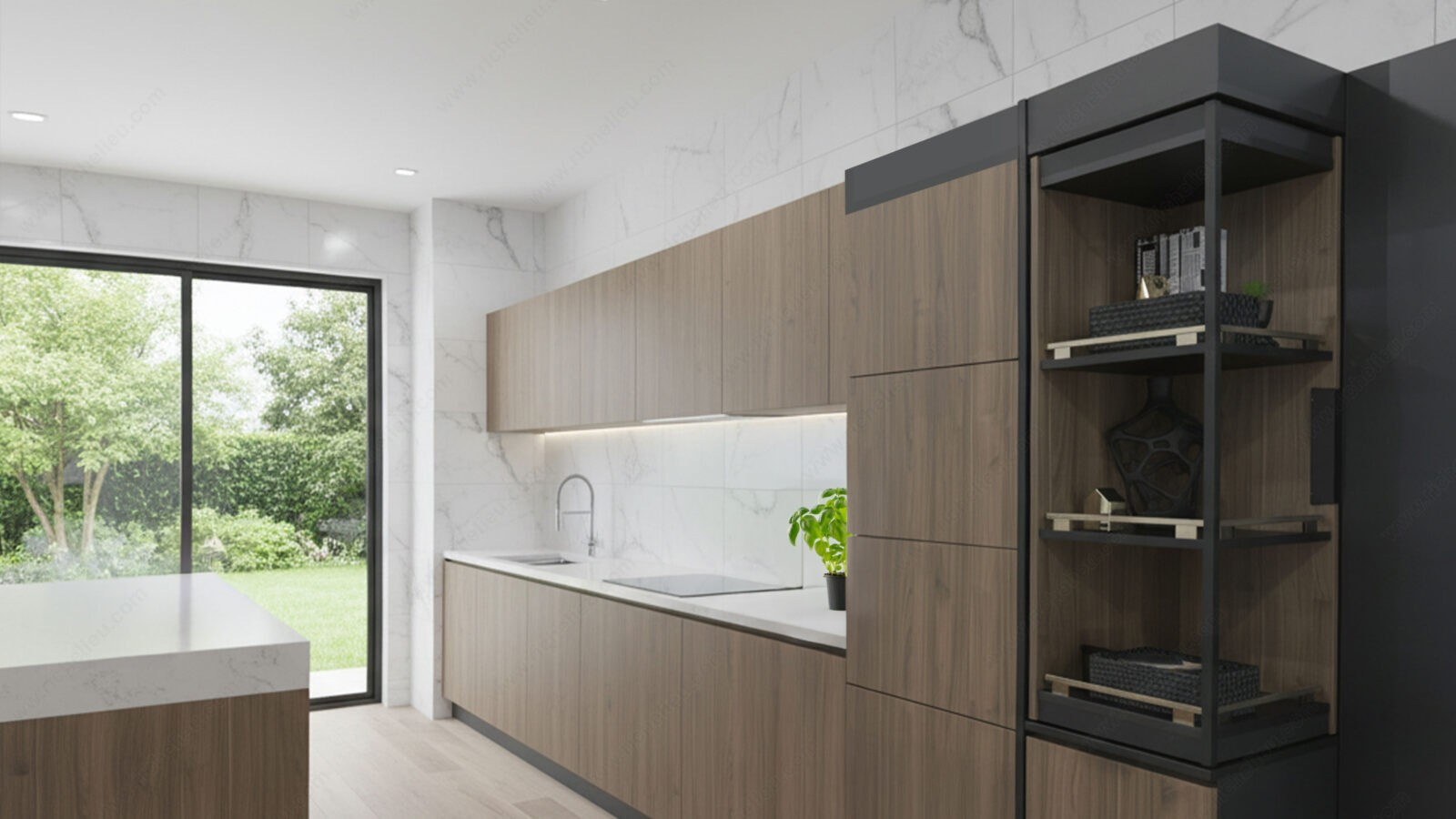
The study also highlighted growing attention on highly functional spaces such as closets, laundry rooms and home offices. Gen Z homeowners, while still representing a relatively small share of the renovation market, are more likely than older generations to renovate compact utility spaces and storage-focused areas.
These findings reinforce ongoing trends within the surface & panel sector, where demand continues rising for durable decorative materials, integrated lighting, compact laminates, engineered panels and premium hardware systems designed to maximize organization and functionality.
“Forever Homes” Shape Remodeling Decisions
Both studies found that homeowners are increasingly adapting existing homes rather than entering today’s difficult housing market. Houzz reported that 61 percent of homeowners plan to remain in their homes for at least 11 years, while 44 percent consider their current residence a “forever home.”
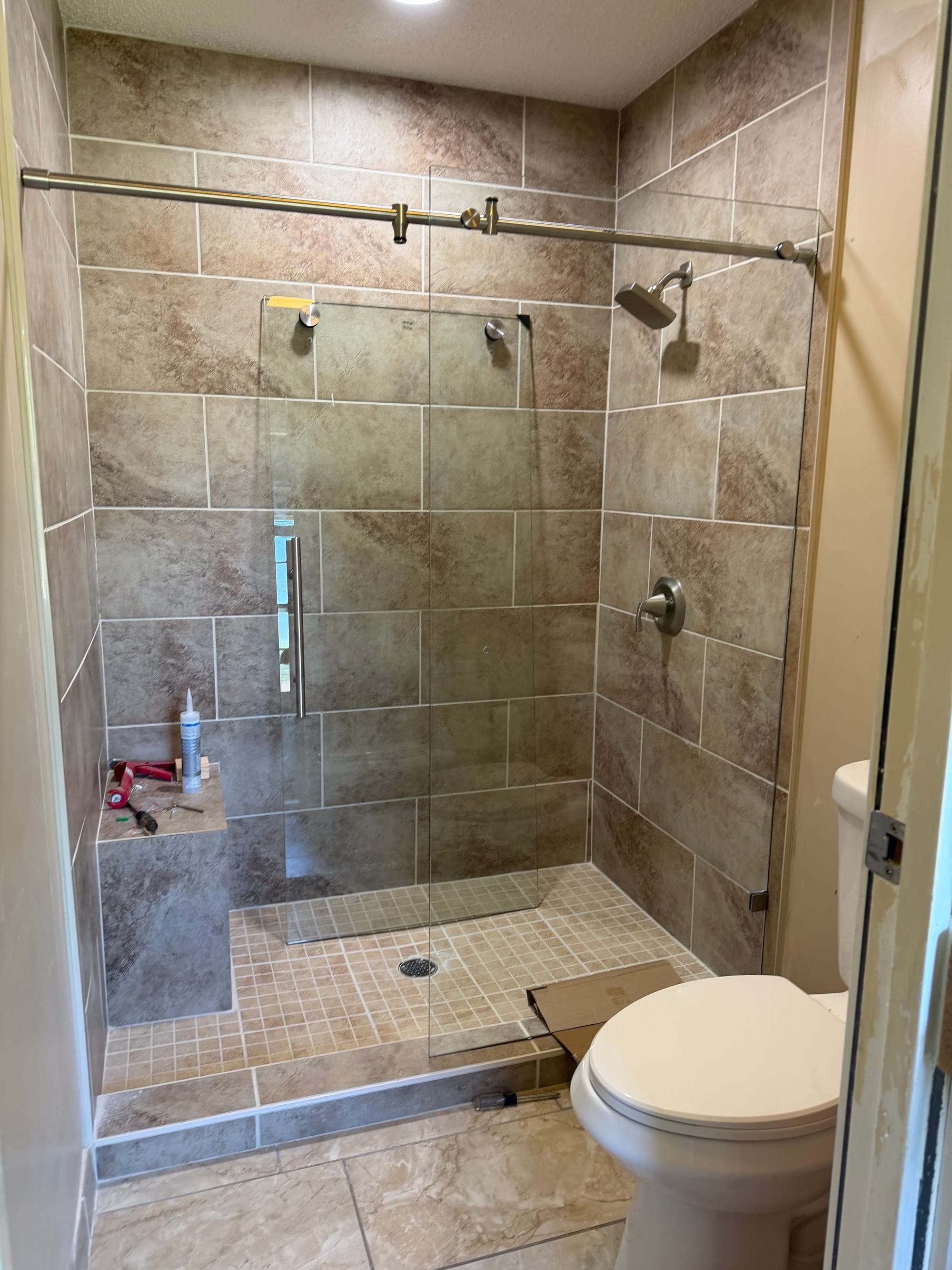
Redfin similarly pointed to affordability pressures and the so-called “lock-in effect” as major factors keeping homeowners in place. Many Americans who secured historically low mortgage rates in recent years are reluctant to purchase another home at today’s elevated borrowing costs.
As a result, homeowners are investing in additions, upgraded kitchens, flexible living areas and long-term, aging-in-place improvements rather than moving.
High-End Spending Remains Resilient
While homeowners are becoming somewhat more cautious about future spending, high-end remodeling activity remains strong. Houzz found that the top 10 percent of renovation projects reached $150,000 or more in 2025, up from $140,000 the year before.

The report also noted that many homeowners knowingly exceeded their renovation budgets, often choosing upgraded materials or expanding project scope during construction. Nearly 37 percent of renovators spent beyond their original budget plans.
For manufacturers and suppliers of premium surfacing materials, cabinetry and components, the data suggests consumers remain willing to invest in quality finishes and customized spaces despite broader economic uncertainty.
Financing and Professional Demand Continue to Evolve
Savings remain the primary funding source for renovations, but financing methods are diversifying. Houzz found that 34 percent of homeowners now use credit cards for renovation expenses, up five percentage points year over year. Higher-budget renovators are increasingly leveraging home equity and proceeds from prior home sales.
The studies also underscored the continued importance of professional contractors, fabricators and design specialists. Houzz reported that 91 percent of renovating homeowners hired professionals for at least part of their projects, reflecting the growing complexity of modern renovations and the demand for specialized expertise.
Planning timelines also continue to expand. Kitchen remodels averaged nearly 9.5 months in planning before construction began, while even closet and home office projects required months of preconstruction preparation.
For the surface & panel industry, the combined findings signal that homeowners remain committed to upgrading interiors for comfort, organization and long-term functionality — regardless of broader housing market trends.